
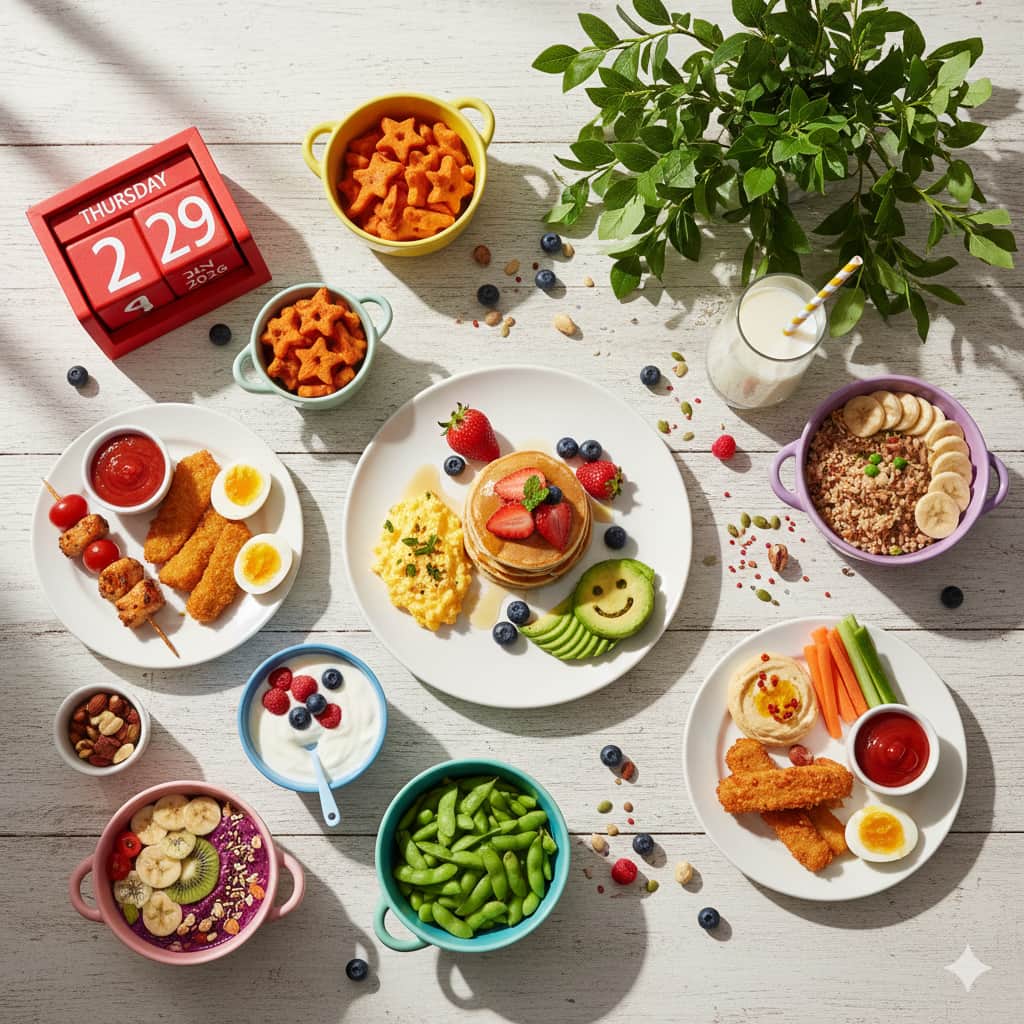
Fueling Growing Bodies: The Top 10 Health Foods for Kids
As parents, caregivers, and guardians, one of our greatest joys (and sometimes challenges!) is nourishing the little humans in our lives. We want to see them grow strong, healthy, and full of the vibrant energy that defines childhood. In a world brimming with convenient, often less-than-nutritious options, understanding which foods genuinely fuel their development can feel like navigating a maze.
But fear not! Building a foundation of healthy eating for your children doesn't have to be complicated. It’s about focusing on whole, unprocessed foods that pack a powerful punch of vitamins, minerals, fiber, and healthy fats – the essential building blocks for their rapidly developing bodies and minds.
This comprehensive guide will walk you through the top 10 health foods for kids, explaining why each one deserves a starring role in their diet, and offering practical tips on how to incorporate them, even for the pickiest eaters.
Why Prioritize Healthy Eating for Kids?
Before we dive into our top picks, let's briefly touch upon why this matters so much:
- Growth and Development: Children are constantly growing, from their bones and muscles to their brains and organs. Proper nutrition provides the necessary fuel and materials for this incredible process.
- Energy Levels: A balanced diet ensures steady energy, preventing sugar crashes and supporting their boundless activities, learning, and play.
- Immune System Support: Nutrient-rich foods strengthen their immune system, helping them ward off illnesses and recover more quickly.
- Cognitive Function: Specific nutrients are crucial for brain development, memory, focus, and overall cognitive performance, impacting their schooling and learning.
- Establishing Lifelong Habits: Childhood is the prime time to instill healthy eating habits that can last a lifetime, reducing the risk of chronic diseases later in life.
Now, let's explore the superstars of children's nutrition!
The Top 10 Health Foods for Kids
1. Berries (Strawberries, Blueberries, Raspberries)
Why they're great: These colorful gems are bursting with antioxidants, which protect little bodies from damage, and are a fantastic source of Vitamin C for a strong immune system. They also provide fiber, aiding digestion and promoting satiety. Blueberries, in particular, are known for their brain-boosting properties.
How to serve:
- Fresh as a snack
- Mixed into yogurt or oatmeal
- Blended into smoothies
- Frozen for a cool treat
- In healthy muffins or whole-wheat pancakes
2. Eggs
Why they're great: Often called nature's multivitamin, eggs are an incredibly versatile and affordable protein powerhouse. They contain all nine essential amino acids, crucial for muscle and tissue development. Eggs are also rich in choline, vital for brain development and memory, and Vitamin D, which supports bone health.
How to serve:
- Scrambled, fried, or boiled
- In omelets with hidden veggies
- Added to fried rice or noodles
- As an ingredient in healthier baked goods
- Hard-boiled as a portable snack
3. Whole Grains (Oats, Whole Wheat Bread/Pasta, Brown Rice, Quinoa)
Why they're great: Unlike refined grains, whole grains retain their bran, germ, and endosperm, packing them with fiber, B vitamins, and essential minerals like iron and magnesium. The fiber promotes healthy digestion, prevents constipation, and helps maintain stable blood sugar levels, providing sustained energy.
How to serve:
- Oatmeal: A warm bowl with fruit and nuts
- Whole Wheat: Sandwiches, toast, or pasta dishes
- Brown Rice/Quinoa: As a side dish, mixed into stir-fries, or in veggie bowls
- Homemade whole-grain muffins or energy bars
4. Leafy Green Vegetables (Spinach, Kale, Broccoli, Romaine Lettuce)
Why they're great: We know, we know – getting kids to eat greens can be a battle. But these vibrant veggies are worth the effort! They are packed with vitamins A, C, and K, folate, calcium, and iron. These nutrients support bone health, vision, immune function, and healthy blood. Broccoli, a cruciferous veggie, also contains powerful anti-cancer compounds.
How to serve:
- Hidden: Blended into smoothies (spinach disappears!), finely chopped into sauces, meatballs, or casseroles.
- Dipped: Steamed broccoli florets with hummus or a yogurt dip.
- Fun shapes: Cookie cutters for cucumber slices or bell peppers.
- In veggie-packed omelets or stir-fries.
- As part of a colorful salad (for older kids).
5. Yogurt (Plain, Full-Fat)
Why they're great: Yogurt, especially plain and full-fat varieties, is a fantastic source of protein and calcium, vital for strong bones and teeth. Most importantly, it's rich in probiotics (beneficial bacteria) that support a healthy gut microbiome, which is crucial for digestion, immunity, and even mood. Full-fat versions are important for toddlers and young children for brain development.
How to serve:
- Plain with fresh fruit and a drizzle of honey (for kids over 1 year)
- As a base for smoothies
- Mixed with granola or whole-grain cereal
- As a healthy dip for fruit or veggie sticks
- In savory raita to accompany Indian meals
6. Sweet Potatoes
Why they're great: These naturally sweet, vibrant root vegetables are a powerhouse of nutrition. They are an excellent source of beta-carotene (which converts to Vitamin A in the body, essential for vision and immune function), Vitamin C, and fiber. Their natural sweetness often makes them a hit with kids.
How to serve:
- Roasted into "fries" or wedges
- Mashed with a little butter or cinnamon
- Baked and topped with chili or cheese
- Puréed into soups or sauces
- Added to healthy baked goods like muffins or pancakes
7. Nuts and Seeds (Almonds, Walnuts, Chia Seeds, Flax Seeds, Hemp Seeds - if no allergies)
Why they're great: When there are no allergies, nuts and seeds are incredibly nutrient-dense. They provide healthy fats (including omega-3s, crucial for brain health), protein, fiber, and a wide array of vitamins and minerals like magnesium, zinc, and Vitamin E. Chia and flax seeds are particularly high in omega-3s and fiber.
How to serve:
- Nut butters: On whole-wheat toast or with apple slices (ensure no added sugar).
- Chopped nuts: Sprinkled on oatmeal, yogurt, or salads.
- Seeds: Blended into smoothies, sprinkled on cereals, or mixed into baked goods.
- As a standalone snack (for older children who can chew safely).
- Safety Note: Whole nuts and large seeds can be choking hazards for children under 4. Always supervise and serve in appropriate forms.
8. Lean Protein (Chicken, Fish, Beans, Lentils, Tofu)
Why they're great: Protein is fundamental for growth, muscle repair, and immune function. Lean meats like chicken and turkey offer complete proteins without excessive saturated fat. Fish, especially fatty fish like salmon, is a fantastic source of omega-3 fatty acids for brain health. Plant-based proteins like beans, lentils, and tofu provide fiber and essential minerals, making them excellent choices for all diets.
How to serve:
- Chicken/Turkey: Grilled strips, roasted pieces, in stir-fries, or as meatballs.
- Fish: Baked salmon, fish sticks (homemade for healthier options), or tuna in sandwiches.
- Beans/Lentils: In soups, stews, chili, as a side dish, or mashed into dips like hummus.
- Tofu: Marinated and baked, stir-fried, or scrambled.
9. Avocado
Why they're great: This creamy green fruit is a treasure trove of healthy monounsaturated fats, which are crucial for brain development, hormone production, and nutrient absorption. Avocados also provide fiber, potassium, and vitamins K, C, B6, and E. Their mild flavor and smooth texture make them very kid-friendly.
How to serve:
- Mashed as Guacamole with whole-grain dippers.
- Sliced on whole-wheat toast.
- Blended into smoothies for creaminess.
- Chopped into salads or tacos.
- As a spread in sandwiches instead of mayonnaise.
10. Apples
Why they're great: The classic "an apple a day" adage holds true! Apples are rich in fiber (especially if you keep the skin on), Vitamin C, and various antioxidants. The fiber aids digestion and helps stabilize blood sugar, providing a steady release of energy. They are also incredibly portable and easy for kids to eat.
How to serve:
- Fresh, sliced, or whole as a snack.
- With a dollop of nut butter.
- Baked into healthy crumbles or muffins.
- Added to oatmeal or salads.
- As unsweetened applesauce.
Tips for Incorporating Healthy Foods into Your Child's Diet:
Even with the healthiest foods, getting kids to eat them can be a challenge. Here are some strategies:
- Be a Role Model: Kids learn by watching. If they see you enjoying a variety of healthy foods, they are more likely to try them.
- Involve Them in the Process: Let them help with grocery shopping (choosing a new fruit or veggie) or simple meal prep (washing produce, stirring). Ownership often leads to willingness to try.
- Offer Choices (Within Limits): Instead of "Eat your broccoli," try "Would you like broccoli or sweet potato with dinner?"
- Keep Trying (Exposure, Not Force): It can take 10-15 exposures to a new food before a child accepts it. Don't force them; just keep offering small portions without pressure.
- Make it Fun: Use cookie cutters for fun shapes, arrange food into faces, or give veggies silly names.
- "Dip It!": Kids love to dip. Offer healthy dips like hummus, yogurt dip, or guacamole with veggie sticks.
- "Hide" When Necessary: Don't feel guilty about blending spinach into smoothies or puréeing carrots into pasta sauce. Every nutrient counts!
- Limit Processed Foods: Reduce the availability of sugary drinks, fast food, and highly processed snacks. When healthy options are readily available, kids are more likely to reach for them.
- Don't Label Foods "Good" or "Bad": This can create unhealthy relationships with food. Instead, talk about how foods make their bodies feel (e.g., "This apple gives you energy to play!").
- Hydrate with Water: Encourage water throughout the day. Often, kids are thirsty, not hungry.
Conclusion
Nourishing our children with healthy foods is one of the most impactful investments we can make in their future. By focusing on these top 10 health foods – packed with essential vitamins, minerals, proteins, and healthy fats – you're providing the best possible foundation for their physical growth, cognitive development, and overall well-being.
Remember, every small step towards healthier eating is a victory. Be patient, be persistent, and celebrate the journey of discovering delicious and nutritious foods with your little ones. Here's to happy, healthy eating for the whole family!